

Understanding the Basics of Gambling A Beginner’s Guide
What is Gambling?
Gambling is the act of risking money or valuables on an event with an uncertain outcome, primarily driven by the hope of winning additional money or goods. This activity can take many forms, including games of chance like slots, poker, and roulette, as well as sports betting and lottery games. The fundamental concept revolves around placing a wager, where the gambler has the potential to win or lose based on various factors, often beyond their control. Engaging with online gambling sites allows players to explore diverse gaming options in a digital space.
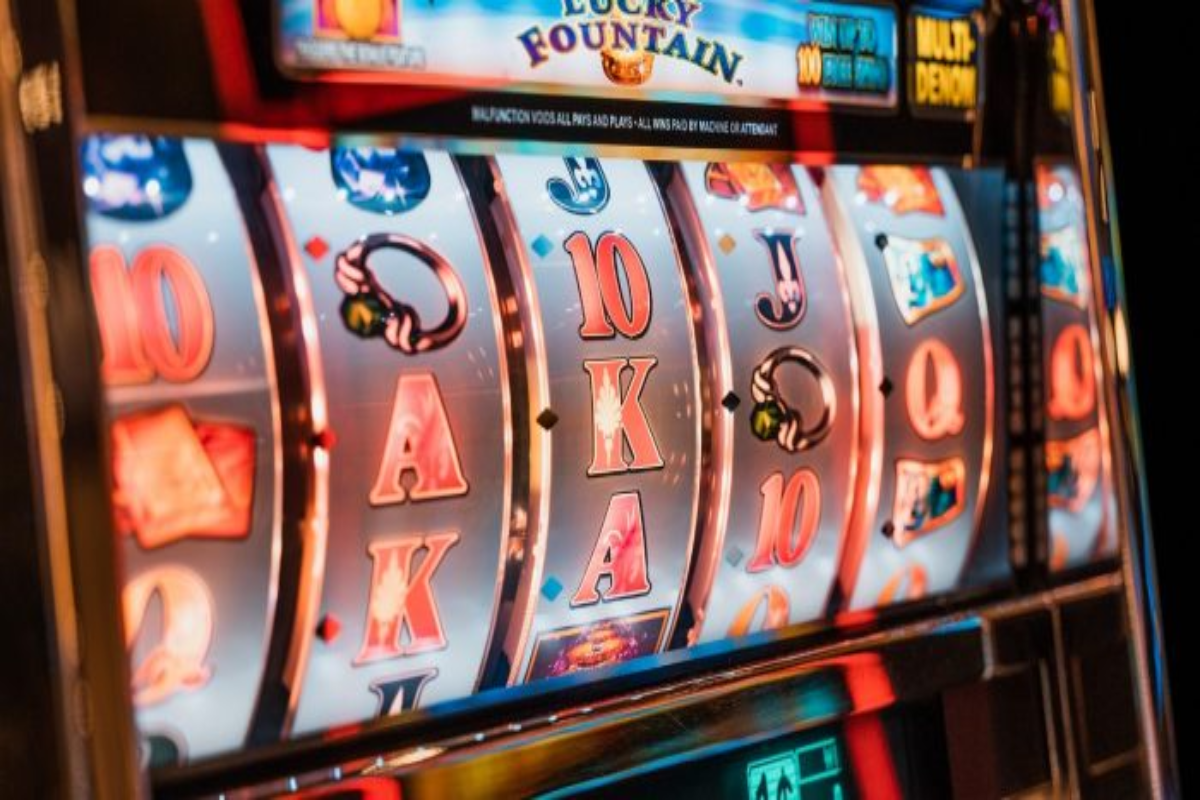
Understanding gambling requires recognizing its inherent risks and rewards. Players must be aware that the odds are usually designed in favor of the house, meaning casinos and bookmakers often hold an advantage. This knowledge is crucial for anyone considering stepping into the world of gambling, as it can help manage expectations and promote responsible gaming habits.
Types of Gambling Games
There are several types of gambling games available to players, each offering unique experiences and strategies. Casino games include classics like blackjack, poker, and baccarat, which often require skill and strategy alongside luck. Meanwhile, games such as slots and roulette rely heavily on chance, making them accessible to all types of players.
Beyond traditional casino games, sports betting has gained immense popularity, allowing individuals to wager on the outcomes of sporting events. Additionally, online gambling platforms offer various games and betting options, creating a more convenient environment for players to engage with their favorite activities from the comfort of their homes.
The Role of Strategy in Gambling
While gambling is often associated with luck, strategy plays a significant role in many games, especially those involving skill. In games like poker, understanding probabilities and reading opponents can greatly influence a player’s success. Similarly, in blackjack, employing strategies such as card counting can provide a competitive edge over the house.
It’s important for beginners to realize that not all gambling activities are purely based on chance. Learning and implementing effective strategies can enhance the experience and potentially increase the chances of winning. However, it’s essential to remember that no strategy guarantees success, and responsible gambling should always be prioritized.
Responsible Gambling Practices
Responsible gambling is crucial for ensuring that the experience remains enjoyable and safe. Players should set limits on the amount of money and time they spend gambling. Establishing a budget can help prevent financial strain, and taking regular breaks can help maintain a healthy perspective on the activity.
Additionally, recognizing the signs of problem gambling is vital. This includes understanding when gambling is no longer a source of entertainment but a source of stress or financial hardship. Many resources are available for individuals seeking help, including hotlines and support groups designed to assist those struggling with gambling-related issues.

Staying Informed About the Gambling Industry
Staying informed about the gambling industry is essential for both beginners and seasoned players. Knowledge about regulations, new game releases, and industry trends can enhance the gambling experience and inform better decision-making. Resources dedicated to providing news and updates on gambling can be invaluable.
By keeping abreast of the latest developments, players can make informed choices about where and how to gamble. Engaging with reliable sources of information ensures that individuals can enjoy their gambling experiences while minimizing risks and maximizing enjoyment.